

01
Secure movement
Use an appropriate carrier, crate, harness, or other travel restraint so your pet cannot move freely into unsafe vehicle areas or escape during transitions.
A calmer journey starts before the door closes. Prepare the right restraint, identification, carrier, hydration, routine, and backup plan so your pet can travel with greater comfort, security, and predictability.
Good travel preparation is less about packing more and more about removing uncertainty before departure.
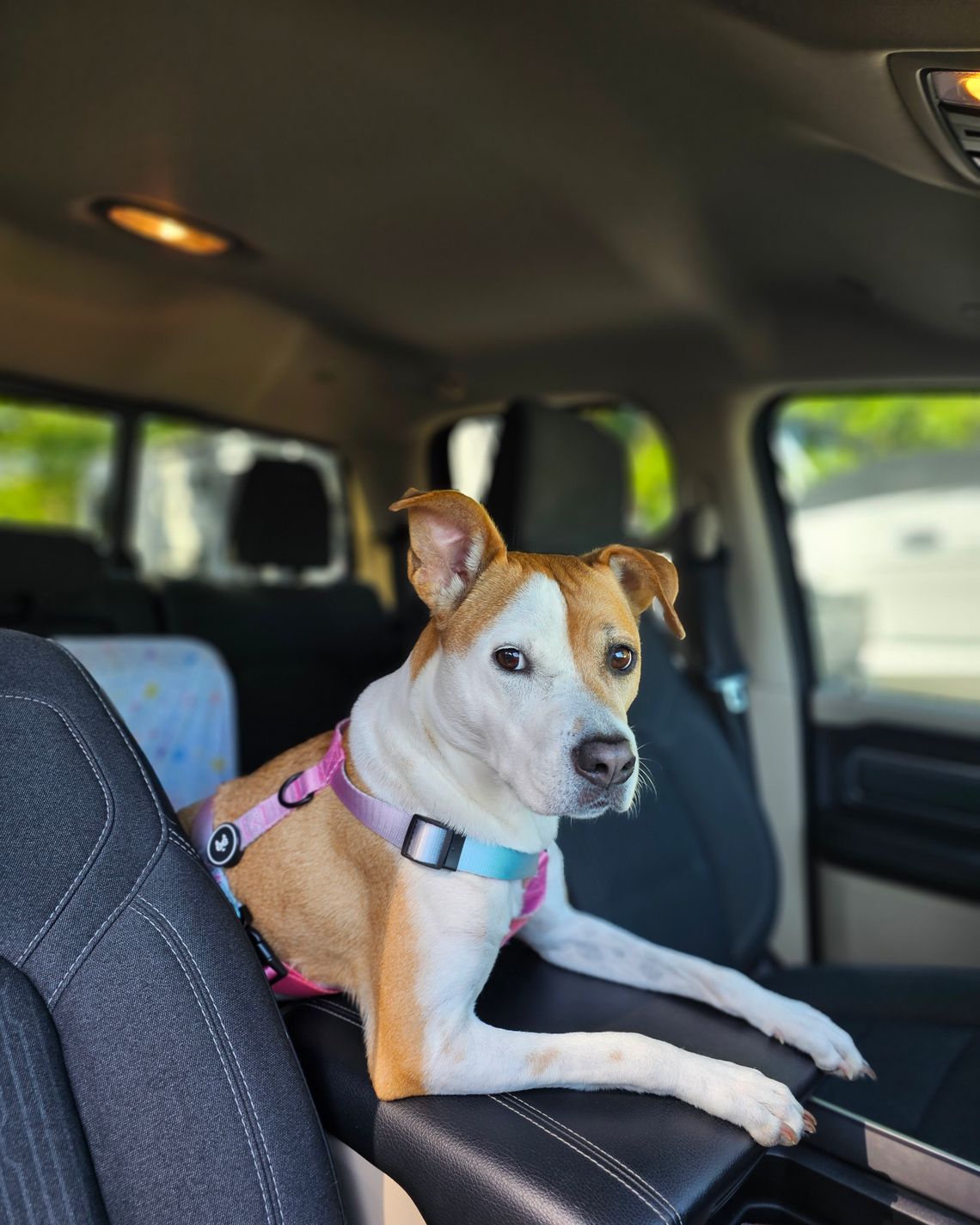
The strongest travel routine protects against four common weak points: escape, unsecured movement, loss of identification, and disruption of basic care.
Use an appropriate carrier, crate, harness, or other travel restraint so your pet cannot move freely into unsafe vehicle areas or escape during transitions.
Keep visible identification current and, when using connected equipment, confirm that devices are charged, paired, and working before departure.
Travel can change feeding, water, rest, bathroom, medication, and exercise schedules. Plan those needs instead of improvising them.
Doors, parking areas, hotel entrances, terminals, rest stops, and unfamiliar spaces deserve extra attention because they introduce new escape opportunities.
A travel setup should reflect your pet's actual size, temperament, mobility, health, training, and familiarity with movement.
A carrier, collar, harness, muzzle, or reflective accessory should be selected primarily for secure fit and appropriate function. A stylish product is only useful when it fits correctly and remains comfortable during real use.
Introduce carriers, vehicle restraints, new bowls, cameras, travel beds, and other equipment before a long journey. A familiar setup can reduce unnecessary disruption on travel day.
Smart devices are useful, but batteries, cellular service, Wi-Fi, apps, and location signals can be interrupted. Keep physical identification, direct supervision, and practical backups in the plan.
A few controlled checks can make the first ten minutes of a trip feel very different.
Verify that the destination can safely accommodate your pet. Consider entry rules, lodging restrictions, outdoor access, local climate, available walking areas, and whether your pet will need a secure indoor zone.
For airlines, public transportation, lodging providers, or other regulated venues, review their current pet requirements directly before travel.
Let your pet spend short, calm periods with the carrier, travel crate, harness, muzzle, or other equipment before using it for an extended journey.
Check closures, zippers, buckles, adjustment points, straps, latches, ventilation, and attachment points before departure.
Confirm that visible identification is current and readable. If your pet uses a GPS tracker or smart collar, confirm the correct pet profile, battery status, device connection, and notification settings.
Save useful information in more than one place. A physical identification tag remains valuable even when a connected device is being used.
Bring your pet's normal food when practical, familiar treats, drinking water, bowls, medication, waste supplies, bedding, a leash, and any necessary health or travel documentation.
Avoid making multiple unnecessary routine changes at the same time as the journey.
Travel tolerance varies. Consider your pet's age, health, breathing, mobility, motion sensitivity, anxiety, and prior travel experience.
If you are uncertain whether a trip is appropriate, particularly for a very young, elderly, pregnant, medically complex, or highly anxious pet, seek veterinary guidance.
Road travel is easier to manage when your pet has a defined place, secure equipment, predictable breaks, and limited access to doors and windows.
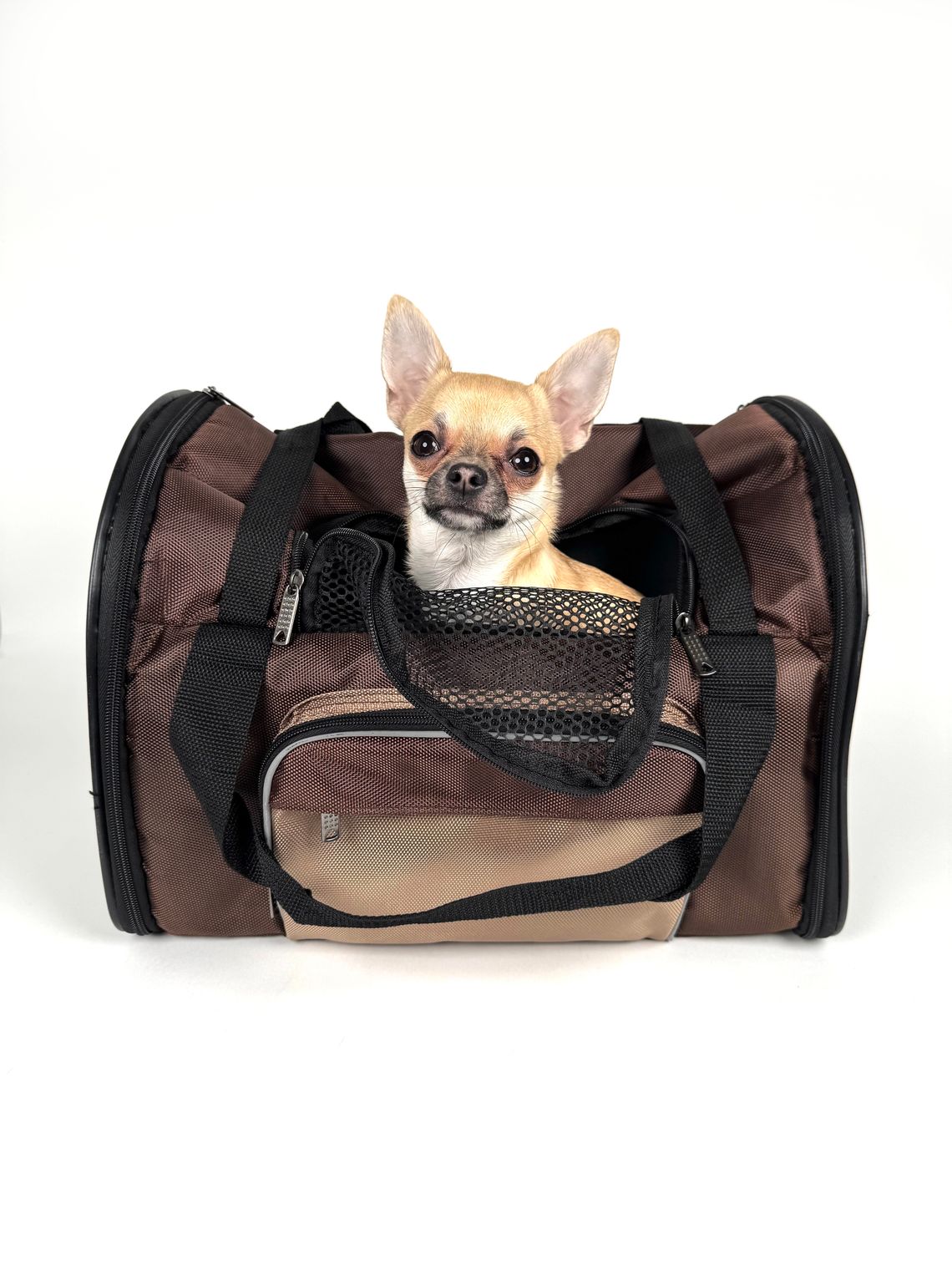
A good travel carrier creates a defined, ventilated, manageable space without forcing the pet into an unsafe position.
Travel introduces unfamiliar spaces. Combine physical identification with connected tools instead of depending on a single technology.
Keep your pet's visible identification current and readable. The information should support a reasonable return process if the pet becomes separated from you.
A GPS tracker can add useful location awareness. Before travel, check the battery, app connection, permissions, account status, and any relevant notification settings.
If a smart collar is part of your setup, verify fit, charge, pairing, and device status before departure. Connected features should supplement, not replace, direct supervision.
A thoughtful travel setup can combine location awareness, visibility, containment, secure carrying, and controlled access.
The moments between locations deserve as much attention as the time spent moving.
Confirm identification, charge devices, secure the carrier, pack supplies, and check the route before bringing the pet to the vehicle.
Load the pet only when the travel area is ready. Avoid open doors, loose equipment, and unnecessary commotion.
Monitor comfort, ventilation, temperature, behavior, and equipment without distracting the driver.
Stop in controlled areas, attach restraints before opening exits when appropriate, provide water, and recheck equipment.
Establish a secure zone before unloading. Offer familiarity, inspect equipment, and allow the pet to settle gradually.
Busy parking areas combine vehicles, strangers, noise, unfamiliar smells, and multiple exit points.
When options are available, select a stopping location with lower traffic, enough room to handle your pet, and a clear view of the surroundings.
Organize the leash, harness, waste supplies, water, and other necessities before opening a primary vehicle or carrier exit.
Consider pavement temperature, ice, debris, road salt, broken glass, standing water, and unfamiliar surfaces before allowing your pet to walk.
Before moving again, confirm that restraints, carrier closures, identification, water containers, luggage, and travel equipment are back in their intended positions.
Conditions outside the vehicle can affect loading, rest breaks, walking surfaces, hydration, and how long a transition can safely take.
Long travel days should not turn feeding and hydration into guesswork. Bring familiar supplies and think ahead about where they will be used.
Pack drinking water and a practical container in a location that does not require unpacking the entire vehicle. Check bottles, travel bowls, and caps for leaks before departure.
Bring enough familiar food for the planned trip plus a reasonable buffer. Avoid unnecessary last-minute food changes when your pet is already adapting to a new environment.
If an automatic feeder or water fountain will be used at the destination, test it before travel, confirm power requirements, clean it thoroughly, and keep a manual backup.
Airline pet rules can differ by carrier, route, aircraft, destination, animal, and service type.
Verify current carrier-size, construction, ventilation, closure, and positioning requirements directly with the transportation provider.
Do not assume that a carrier used successfully on one journey automatically meets the rules for another.
Some journeys may involve documentation, vaccination records, health requirements, identification information, reservation steps, or destination-specific rules.
Confirm what is required early enough to resolve questions before travel day.
Airports introduce doors, crowds, loud environments, moving equipment, security procedures, and unfamiliar handling. Prepare a secure transition strategy before entering the terminal.
Identification, required documents, medication, water supplies, waste bags, a leash, and other immediate necessities should be packed where they can be reached without unnecessary delay.
A hotel, rental, family home, or unfamiliar room should be treated as a new environment until you have checked it.
Identify exterior doors, balconies, windows, shared hallways, and other places where a pet could leave unexpectedly.
Look for loose cords, cleaning products, food, small objects, unstable furniture, open trash, or accessible hazards before allowing free movement.
Use a familiar carrier, bed, gate, barrier, or defined area to help your pet settle into the unfamiliar space.
Be prepared for housekeeping, maintenance, deliveries, or other situations in which a door might be opened unexpectedly.
Portable gates, barriers, carriers, and other containment tools can help establish boundaries at a destination, but each space should be assessed individually.
Position gates or barriers where they can sit securely without unstable furniture, slippery surfaces, or objects that make climbing easier.
A barrier should make sense for the pet's size, strength, jumping ability, behavior, and tendency to push, climb, or squeeze.
Watch how your pet responds to the temporary setup before assuming that the boundary will remain reliable without supervision.
Travel often changes when and where pets are walked. Reflective equipment can add visibility, especially around parking areas, unfamiliar roads, and early-morning or evening stops.
If a muzzle is appropriate for your pet or required in a particular travel context, it should be introduced thoughtfully before the trip.
The muzzle should be appropriate for the intended use and fitted correctly for the individual dog. Follow the specific product instructions and professional guidance where needed.
When possible, introduce the equipment gradually in a calm and familiar environment rather than making travel day the first experience.
Observe breathing, stress, fit, temperature, movement, and general comfort. Discontinue use if the product appears unsafe or your pet shows concerning distress.
Keep the most important items organized and accessible instead of buried under general luggage.
Smart products can add useful awareness and convenience, but travel places extra demands on batteries, connectivity, power, and device setup.
Fully charge compatible trackers, smart collars, cameras, phones, and portable power devices before leaving. Pack the correct charging accessories where they are easy to reach.
Confirm that notifications, location permissions, Bluetooth, Wi-Fi, cellular access, and other required settings are configured properly before the trip begins.
Keep physical identification, manual feeding options, water, direct supervision, and secure containment available even when technology is functioning normally.
A pet camera can be useful when your pet is resting in a permitted, secure destination space, but remote viewing is not the same as direct care.
Place the camera where it has a clear view without creating accessible cords, unstable objects, or equipment the pet can reach.
Confirm that the camera can connect to the intended network and that remote access works before relying on the feed.
Cameras can help you observe, but they cannot physically intervene if a pet becomes distressed, escapes, or encounters an immediate hazard.
A strong travel routine is built from repeatable habits, not complicated last-minute decisions.
Do not rush the final transition. A calm, controlled arrival helps you identify hazards before your pet begins exploring.
Check exits, windows, outdoor access, gates, balconies, and immediate hazards before releasing your pet from its travel setup.
Set out water, bedding, a familiar object, and an appropriate resting location so your pet has a predictable place to settle.
Inspect the carrier, restraint, collar, tracker, reflective gear, and other travel items for damage, loosened adjustments, or wear after the journey.
Delays, route changes, weather, device failure, illness, or lost luggage can turn a simple trip into a longer one.
Pack enough essential food, medication, water supplies, and cleanup items to absorb a reasonable delay without creating an immediate shortage.
Keep useful contact, health, identification, and travel information accessible even if one phone, app, or internet connection is unavailable.
A schedule should never be more important than a pet's immediate safety. If your pet becomes unwell, unusually distressed, or unable to travel safely, reassess the journey and seek appropriate help.
Whether you are preparing a carrier, tracker, smart collar, reflective accessory, barrier, or another Pawsera product for a trip, our store policies are designed to make the purchasing experience straightforward.
Pawsera customer support is available 24 hours a day, seven days a week for store, order, and product-related questions.
All products offered through the Pawsera storefront include free shipping.
The standard delivery timeframe is 3–5 business days, subject to circumstances that may affect carrier operations.
Pawsera provides free returns and exchanges within 30 days according to the applicable return process.
Every question below remains closed by default so you can open only the information you need.
A defined, appropriately secured travel position is generally a safer approach than allowing unrestricted movement around the vehicle. Choose an appropriate carrier, restraint, or travel system for your individual pet and vehicle setup.
When practical, yes. Allowing a pet to become familiar with the carrier before a longer journey can make the equipment less novel on travel day.
It is better to use layers. GPS tracking can provide useful location awareness, while physical identification remains valuable if batteries, networks, apps, or device connections become unavailable.
Check the battery, charging accessories, app connection, relevant permissions, pet profile, device attachment, and any notification or location settings you intend to use.
Yes. Coverage, Wi-Fi, cellular service, satellite visibility, power, battery level, operating-system settings, or third-party services can affect connected functions. Maintain practical non-digital backups.
Assess the surroundings, prepare the leash or other appropriate restraint, confirm that you have control of the pet, and choose a location away from unnecessary vehicle traffic when possible.
Reflective equipment can add visibility during early-morning, evening, nighttime, or low-light transitions. It should still be used together with direct control, awareness of traffic, and an appropriate leash or restraint.
A suitable gate or barrier can help establish a temporary boundary, but the setup should be evaluated for your pet's size, behavior, strength, jumping ability, and the specific room.
Do not depend on a parked vehicle as a safe unattended environment for a pet. Interior conditions can change, and climate-control or electrical systems can fail.
Pack enough familiar food for the planned journey and consider a reasonable extra amount for unexpected delays. Individual dietary or medical needs should be discussed with your veterinarian when appropriate.
Stop and reassess the situation when it is safe to do so. Check the environment, restraint, temperature, breathing, hydration, and other obvious factors. Seek veterinary attention when symptoms are concerning or do not resolve.
Transportation requirements can change and may differ by airline, route, aircraft, destination, carrier type, and animal. Verify current requirements directly with the relevant provider before travel.
Yes. If you plan to use an automatic feeder or fountain at your destination, test operation, cleaning, power, settings, and backup options before relying on it.
No. A camera can provide additional awareness, but it cannot physically intervene during an emergency, prevent an escape, provide water, or directly assist a distressed pet.
Yes. Pawsera provides free shipping on products offered through this storefront.
The stated standard delivery timeframe is 3–5 business days. External carrier events may occasionally affect actual timing.
Pawsera provides free returns and exchanges within 30 days, subject to the applicable return procedure.
Yes. Pawsera customer support is available 24/7 for store, order, delivery, return, exchange, and product-related assistance.
Subscribe by email and enjoy 18% off, subject to the promotional terms presented with the offer.